Hugo Diagnostics

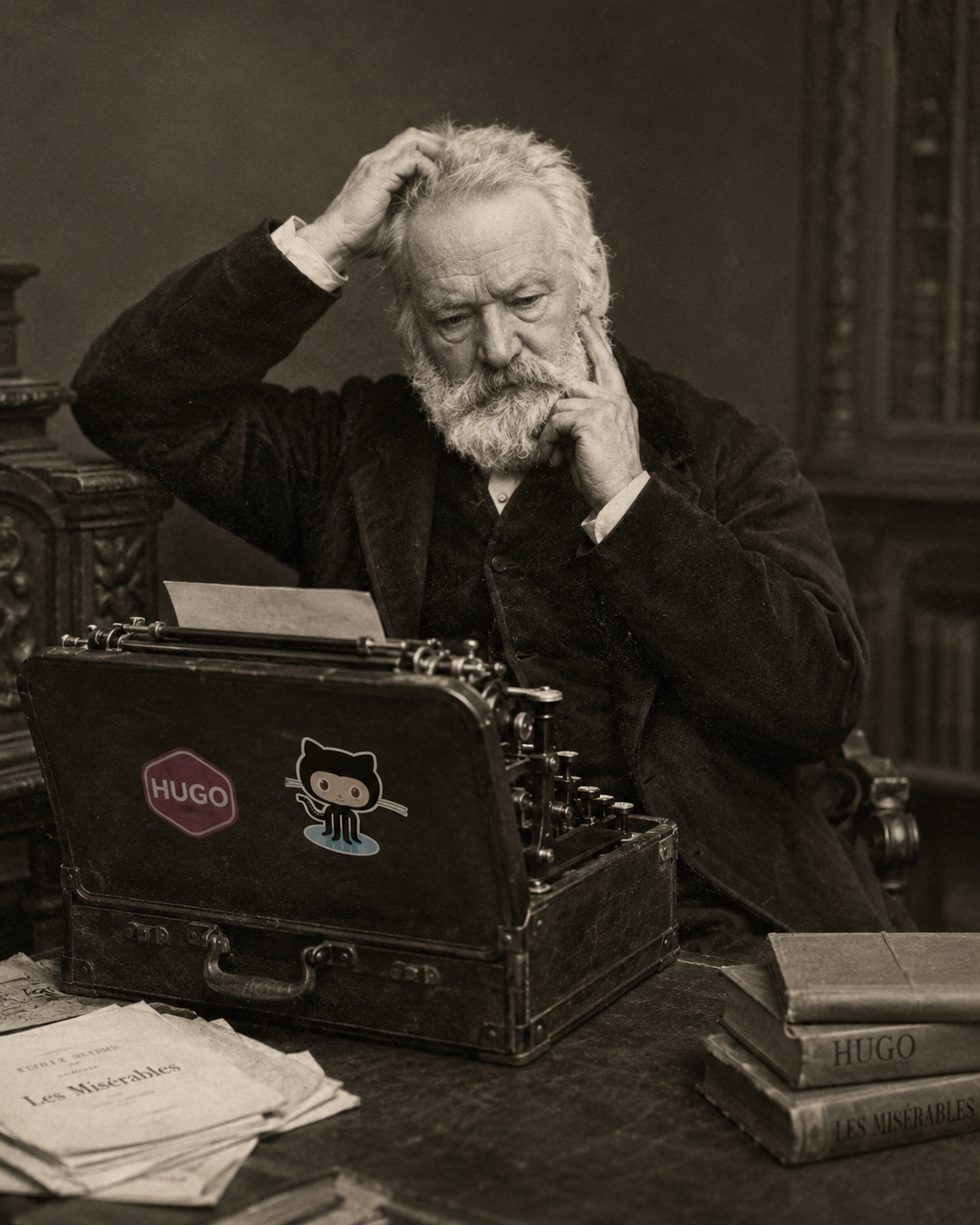
Hugo suddenly serving only 404s locally while GitHub Pages worked Trying something new here. I have in this post, asked Chat GPT to turn a full troubleshooting thread into a blog post. I did not edit it–maybe except a tiny one–, because my goal was to document this particular weird problem without really spending time on writing a blogpost. Actually I think the result is pretty good, sticking very nicely to reality. It is not in my voice or my style, but that’s ok, I literally just wanted to document the thing and move on. ...


July 4, 2026 · 3 min · 556 words · Michal Piekarczyk

Feeling Loopy

Feel like I’m not seeing what the Ralph Loop community is seeing. They say it’s simple just write a task list and run your Ralph loop until the tasks are done, easy! But most problems cannot decomposed into sub problems easily. This is South Park and Underpants Gnomes. This is Russel Peters and Baking a Cake. This is literally why waterfall project management doesn’t work as advertised. This is why pi planning con at best align on high level goals but is terrible at the decomposition. but there are clearly many many people on the internet who are fascinated by this workflow. If you already could decompose a problem in such a way, then you would just write a program after all. Am I missing something? ...

July 4, 2026 · (updated July 7, 2026) · 3 min · 501 words · Michal Piekarczyk

Code Gen Complexity Example

I noticed, mentioning here1 also, how images with spaces display fine on logseq will not display on github. But also that I learned about the hack to wrap paths with <> to support both without having to rename filenames like I had done in the past. Well I used codex to create a utility for this into my logseq_utils repo, and that ended up being a cool code gen complexity example. ...

June 28, 2026 · 2 min · 261 words · Michal Piekarczyk

Cool Markdown Image hack

if an image in logseq has the form ![image.png](../assets/some image with spaces.png) that displays fine on logseq but does not display on github. On github, without changing the filename you can however replace spaces with %20 ![image.png](../assets/some%20image%20with%20spaces.png) but that doesn’t work on logseq. However interestingly, though according to this link I found per a google search, common mark supports one alternative that works in both logseq and github markdown ! ...

June 28, 2026 · 1 min · 74 words · Michal Piekarczyk

Musings Delegation Abdication

Replying to a coworker’s comments about code generation, how it is a necessary trade off between delegation and abdication. I like that he uses the phrase, for abdicating vs. delegating, that “prompts with explicit intent, drastically improve claud code’s chances at producing quality code,” emphasis on “chances”. This is to me why it’s not quite assembly since, compilation is deterministic. More on that later, but begs do question, are you in control? ...

June 26, 2026 · (updated August 17, 2026) · 4 min · 695 words · Michal Piekarczyk

Logseq Search

Just hit a mini milestone today w.r.t. a small project I have been working on, to implement cosine similarity search on my logseq4 notes. I have embedded a few months worth of my notes with Qwen/Qwen3-Embedding-0.6B1 into chromadb and I have a small flask fastapi server2,3 around this, for querying. I have chunked up my notes before embedding them and therefore results show those chunks. I am serving this on ec2 using tailscale5, so I can even hit the endpoint from my phone without really exposing it publicly. ...

June 21, 2026 · 2 min · 348 words · Michal Piekarczyk

Without a Paddle

I have been using apple macos transcription on my handwritten notes every once in a while, where you manually select text from some png or pdf and copy paste, into a text document, but it is pretty awful. Is bad because it misses many of the bounding boxes and even then makes so many transcription errors, that I might as well just transcribe it myself. And so ultimately I was wondering if a hugging face model is better at the transcription. I learned about https://huggingface.co/PaddlePaddle/PaddleOCR-VL-1.5 from chatgpt. ...

June 19, 2026 · 3 min · 480 words · Michal Piekarczyk

2026 06 14 Kindle Notes

I tried out this1 cool tool for extracting amazon kindle notes. It is way better than emailing myself a pdf of notes like I had done in the past. Then I had some script I lost for converting from pdf to markdown. This project just pulls directly from amazon2 which I didn’t even know was a place your notes go! I used this bookmarklet tool from Prime Radiant Inc and pulled my notes, but then I tried looking at my kindle Clippings file directly also, which looks like is even easier. ...

June 14, 2026 · 3 min · 447 words · Michal Piekarczyk

Augmenting Intelligence as a Drug

Augmenting your intelligence feels like a high. It’s a powerful drug. It feels thrilling and amazing when you use it but when the high wears off there are racoons in your kitchen eating your trash and you are half dressed sleeping on the floor. You have a headache. You have to go to work now and actually do work. But all you can think of is the next high. And if you get to day dreaming about your next dose, then that helps fulfill one of the attributes of addiction. The other is if it interferes with your ability to fulfill your role at work. Are you at the point where you can no longer function at work without using? And how are your relationships. Are people commenting on you spending a lot of money on your new ehhem activity? ...

June 11, 2026 · (updated June 22, 2026) · 2 min · 355 words · Michal Piekarczyk

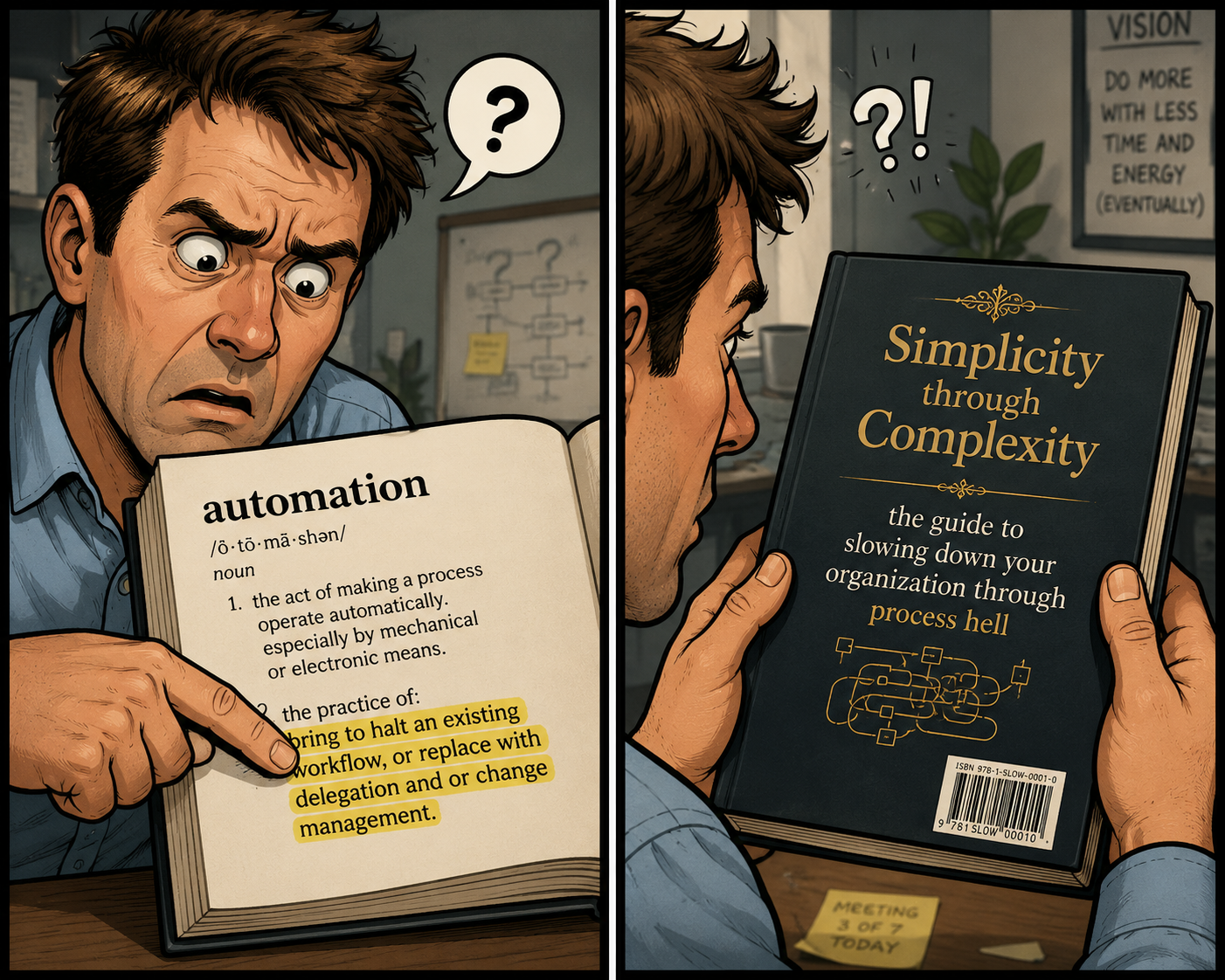
Simplicity Through Complexity

We talk about scaling laws have slowed down as they apply to large language models, but we used to have the same conversations about organizations. If you increase the size of a deep neural network, into the terabytes number of parameters, it has been shown over the last handful of years, you get some exceptional results. But either because of a data ceiling – as the AI snake oil book authors describe wrt predictive models – or some other constraint, foundation models pivoted away from generalized models to heuristic routing to more specialized models and to agentic real world action at a distance, getting out of that artificial metaphorical arm chair. ...

June 10, 2026 · (updated June 14, 2026) · 1 min · 212 words · Michal Piekarczyk